Portrait: Peter Waldo
Portrait · forerunner
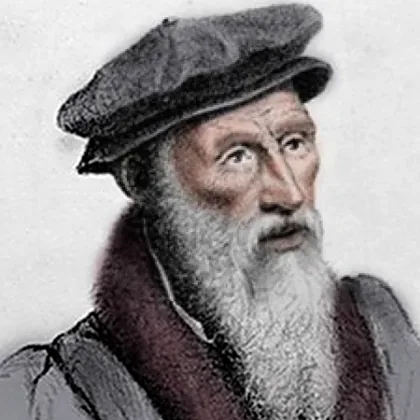
Peter Waldo
c. 1140 – c. 1206 · Lyon · the Poor of Lyon
Later depiction: no contemporary portrait is known. Sources
- Bornc. 1140, Lyon
- Where he was activeLyon, then Languedoc, Lombardy and the Alpine valleys
- LegacyThe Bible in the language of the people, and a church of poor lay people, the Waldensians
A wealthy Lyon merchant, Waldo (or Valdès) is struck around 1170 by Christ’s words to the rich young man: “go, sell your possessions and give to the poor”. He provides for his wife and daughters, distributes the rest of his goods and begins to live on charity. Above all, he has two Lyon clerics translate parts of the Gospels and the Psalms into the langue d’oc, so that ordinary people can hear Scripture in their own language.
His companions, the “Poor of Lyon”, set out to preach two by two along the roads, men and women, without being priests. At the Third Lateran Council (1179), the pope approves their vow of poverty but forbids them to preach without the bishops’ consent. They carry on, invoking (BSB): “We must obey God rather than men.” Driven out of Lyon and then excommunicated (1184), they scatter towards Languedoc, northern Italy and the high valleys of the Alps, where the Waldensian communities endure three centuries of persecution.
In 1532, at the Synod of Chanforan, the Waldensian barbes (preachers) meet Guillaume Farel and join the Reformation; they fund the first Protestant Bible in French, Olivétan’s (1535). The Waldensian Evangelical Church still exists in Italy: it is the oldest Protestant church in the world.
Why he matters for today’s churches
Three centuries before Luther, Waldo makes the two moves that would define evangelicalism: putting the Bible into people’s own language, and entrusting the proclamation of the gospel to ordinary believers. He is a reminder that the Reformation did not come out of nowhere in 1517, and that is why the timeline of this guide begins in Lyon.
“If you want to be perfect, go, sell your possessions and give to the poor, and you will have treasure in heaven. Then come, follow Me.”
(BSB) — the verse of his conversion, according to the chronicles
Online guide · church families and key points · 2026 edition