The Anglicans

Families of churches

Understanding the Anglican family, its liturgy, its traditions and its organisation around bishops and synods.

Families of churches · convictions, congregational life and present-day diversity
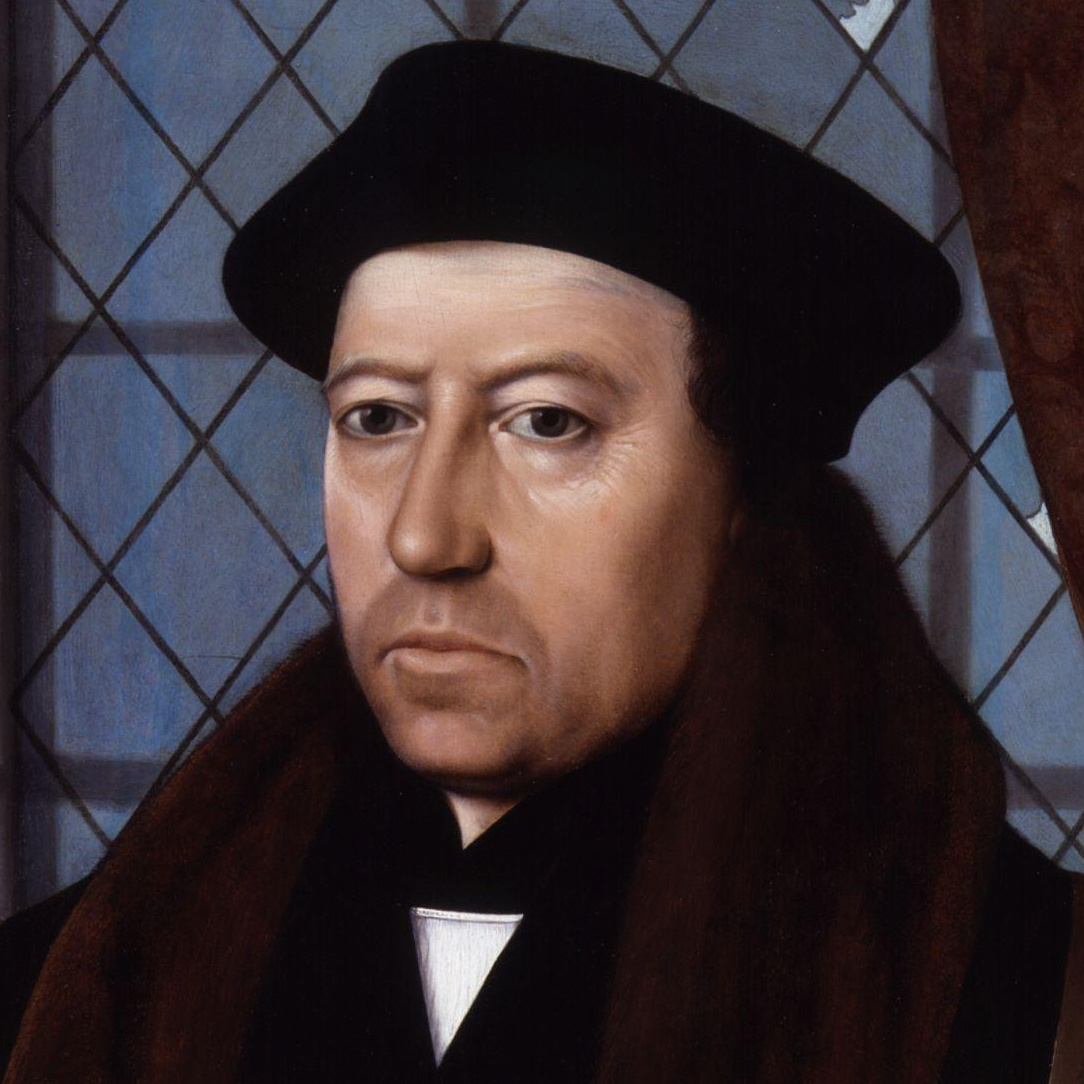
Portrait of Thomas Cranmer

The Anglicans — one common prayer, several traditions

  • Anglican churchesToday
  • Thirty-nine Articles1563–1571
  • Prayer Book1549
  • Break with Rome1534
The Book of Common Prayer gives the Anglican tradition a shared way of worship: Bible readings, prayers, baptism and the Eucharist set the rhythm of congregational life. Together with the Thirty-nine Articles, it is a key reference for Anglican identity, beyond the diversity of local practice.
This family keeps bishops and a liturgy inherited from Christian history, while receiving the convictions of the Reformation. Evangelical, Anglo-Catholic and liberal traditions are all found within it. The Anglican Communion brings together self-governing churches: the Archbishop of Canterbury does not exercise over them an authority comparable to that of the Pope.
Key point · Anglicanism cannot be reduced to a king’s decision, nor to a single way of worship. Its history also sheds light on the origins of Methodism and of English Separatism.

Convictions and church life

Baptism and communion

Children and adults alike may be baptised. The Eucharist holds an important place; emphases range from an evangelical reading to a more sacramental outlook.

Bishops and synods

Bishops exercise their ministry with priests and deacons. Synods give clergy and laity a share in the government of the Church.

A worldwide family

Anglicanism began in England and has since taken root on several continents, notably in Africa. There are also Anglican congregations in France.

Further reading: Regards protestants — The Anglicans (in French) · Church of England — The Thirty-nine Articles, especially XXV to XXVIII · Portrait of Thomas Cranmer — Gerlach Flicke, 1545, National Portrait Gallery / Wikimedia Commons, public domain.

Online guide · church families and key points · 2026 edition25 / 49

Sources and key references

Bibliography of the journey

  • Sébastien Fath, Une autre manière d’être chrétien en France. Socio-histoire de l’implantation baptiste (1810-1950) [Another way of being Christian in France: a social history of the establishment of Baptist churches in France, 1810–1950], Labor et Fides.
  • Sébastien Fath and Jean-Paul Willaime (eds.), La nouvelle France protestante. Essor et recomposition au XXIe siècle [The new Protestant France: growth and reconfiguration in the 21st century], Labor et Fides.
  • André Encrevé (ed.), Les protestants [The Protestants] (Dictionnaire du monde religieux dans la France contemporaine), Beauchesne.
  • Patrick Cabanel, Histoire des protestants en France, XVIe-XXIe siècle [A history of Protestants in France, 16th–21st century], Fayard.
  • Jean Baubérot, Histoire du protestantisme [A history of Protestantism], PUF, “Que sais-je ?”.
  • Musée virtuel du protestantisme (Virtual Museum of Protestantism) — thematic and biographical entries (in French).

See all the sources of the journey